Bringing APL’s digital capabilities into one place
PT Anugerah Pharmindo Lestari supports Indonesia’s healthcare sector through distribution, commercial services, and digital solutions. As healthcare organizations face increasingly complex technical needs, APL has developed a growing portfolio of digital services that can be adapted to different client requirements.
The challenge was not a lack of services. It was that these services were scattered across different touchpoints and were not presented through one clear, searchable platform. Clients often learned about them through personal recommendations, meetings, or existing relationships, which limited awareness and made discovery dependent on chance.
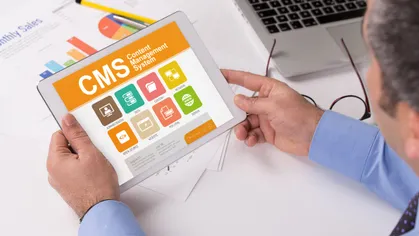
Suitmedia partnered with APL to develop a one-stop digital services portal. The platform brought APL’s services and related information into one environment, making it easier for clients to explore available solutions, connect with APL, and access relevant healthcare resources.
Strong capabilities were being hidden by a fragmented experience
1. A growing portfolio had become difficult to understand
APL offered multiple digital services for clients, but there was no single place where the full portfolio could be viewed and understood.
This created a basic discovery problem. Clients might know about one service through a meeting but remain unaware of other solutions that could also support their needs.
When services are scattered, the organization’s capabilities can appear smaller than they are. APL had developed a broader digital offering, but clients did not have an easy way to see how the pieces fit together.
2. Awareness depended too heavily on personal contact
Some clients discovered APL’s digital services through word of mouth, meetings, or existing business connections. These channels are valuable, but they do not provide a consistent or scalable way to introduce a full service portfolio.
Reliance on personal contact also creates an uneven experience. One client may receive a detailed explanation of several services, while another may hear about only the solution discussed in a particular meeting.
A digital portal could give every client access to the same core information. It could support conversations rather than make each conversation responsible for explaining the entire portfolio from scratch.
3. Unorganized information reduced the value of the services
Digital services are only useful when clients can understand what they do, who they are for, and how to access them.
If information is spread across different documents, conversations, or channels, clients may not know which service is relevant to their situation. They may also struggle to compare options or identify the next step.
This creates a hidden cost. APL’s teams may spend time repeatedly explaining basic information, while clients spend time searching for answers that should be easier to find.
4. The platform needed to serve different client needs
APL’s clients could have different operational, commercial, and technical requirements. The portal could not assume that everyone would arrive with the same question or level of familiarity.
Some users might want to browse the full range of services. Others might look for a specific solution, related healthcare information, or a way to contact APL.
The platform therefore needed to support both exploration and direct access. It had to be broad enough to present the portfolio and clear enough to guide each user toward a relevant next step.
5. APL needed to strengthen client relationships digitally
The portal was intended to do more than organize information. It also needed to create a stronger ongoing relationship between APL and its clients.
A central platform could provide a regular place for clients to access service information, discover updates, and interact with APL. This would make the relationship less dependent on occasional meetings or individual contacts.
The goal was to make APL’s digital capabilities easier to access while also making APL more present in the client’s working environment.
6. The digital portfolio needed a clearer commercial role
APL’s services supported the healthcare sector, but their value could not be fully realized if potential users did not know they existed.
A well-organized platform could help APL explain its capabilities in a way that supported consideration. Clients could understand not only what each service was, but how it might address a broader operational need.
The portal therefore had to connect communication with business development. It needed to help clients move from awareness to exploration and, eventually, to engagement with APL.
7. The solution had to make complexity feel manageable
A one-stop portal can solve fragmentation, but it can also create a new problem if every service is displayed without structure.
APL needed a platform that simplified the service landscape rather than recreating its complexity online. Users should be able to understand the main options quickly, then explore deeper information when relevant.
The design challenge was to make a broad portfolio feel organized, approachable, and easy to navigate.
Designing one platform around discovery, access, and relationship-building
1. Create a single source of truth for APL’s digital services
Suitmedia developed a portal as a one-stop solution for managing and presenting APL’s digital services.
This gave clients one clear starting point. Instead of learning about services through disconnected conversations, they could access a central platform designed to explain the available solutions.
A single source of truth also helped APL communicate more consistently. Teams could direct clients to the same platform, reducing the risk of outdated, incomplete, or inconsistent explanations.
2. Organize services around client understanding
The portal needed to do more than list service names. Each service had to be presented in a way that helped clients understand its purpose and relevance.
This meant thinking from the client’s perspective. Users may not know APL’s internal service categories, so the portal had to use clear descriptions and an intuitive structure.
The objective was to reduce the translation work required from clients. They should not have to understand APL’s organization before they could identify a suitable service.
3. Make exploration possible from one entry point
The platform allowed clients and APL stakeholders to explore the available features and services within one environment.
This supported a more complete discovery journey. A client who arrived looking for one solution could also encounter related services that might be useful.
Cross-service discovery created a second-order benefit. It increased the likelihood that clients would understand the breadth of APL’s capabilities rather than evaluating each service in isolation.
4. Keep access simple and direct
The portal was designed to make services accessible through a straightforward digital experience.
The phrase “one click” reflected the broader objective: reduce the distance between a client’s need and the relevant APL solution.
A simple access model is important in B2B healthcare services because users may already be managing complex operations. The portal should reduce effort rather than add another layer of work.
5. Give clients a more consistent way to interact with APL
The platform acted as a communication and interaction channel between clients and APL.
This created a more dependable relationship structure. Clients could use the portal not only to learn about services, but also to remain connected to APL-related information and updates.
For APL, the portal provided a more organized way to communicate with clients beyond one-to-one conversations. It supported continuity between meetings and created a digital touchpoint that could remain active over time.
6. Make relevant healthcare knowledge easier to access
The portal also gave clients access to information related to their healthcare needs.
This broadened the value of the platform. APL was not only presenting services; it was helping clients understand topics that could inform their decisions and operations.
Educational information can strengthen trust because it demonstrates that the organization is contributing knowledge, not simply promoting its own capabilities.
7. Support stakeholders as well as external clients
The platform was available to APL clients and relevant internal stakeholders.
This helped align the people responsible for explaining, managing, and using the digital services. Internal teams could work from a common platform when communicating with clients and sharing service information.
Shared access also improved coordination. Stakeholders could understand what was available and how the services were being positioned without depending entirely on informal internal knowledge.
8. Use the portal to improve service awareness
A central platform gave APL a more reliable way to make clients aware of its digital capabilities.
Awareness could be built through repeated exposure to the full portfolio rather than limited to individual service conversations. Clients could return to the portal as their needs changed.
This helped turn the digital services from hidden capabilities into a visible part of APL’s value proposition.
9. Reduce the burden of repeated explanation
When service information is scattered, APL teams may need to repeatedly answer the same introductory questions.
The portal created a structured reference that could handle much of this early education. Teams could spend less time explaining basic service availability and more time discussing how a solution might fit a client’s specific situation.
This improved operational efficiency without removing the importance of human consultation. The portal handled orientation, while APL teams could focus on interpretation and relationship management.
10. Create a platform that can grow with the portfolio
APL’s digital services may continue to change as client needs and healthcare technology evolve.
The one-stop portal created a foundation where additional services, updates, educational content, and interaction features could be added in a more coordinated way.
This reduced the risk of returning to fragmentation as the portfolio expanded. The platform gave APL a place to manage future growth rather than relying on new channels for every new service.
11. Make the digital experience support client stickiness
Client stickiness is strengthened when a platform remains useful after the first interaction.
The portal supported this by combining service discovery, healthcare information, and ongoing communication. Clients had more reasons to return than simply checking one service once.
Over time, repeated use could help the portal become part of the client relationship. APL would remain present not only as a service provider, but as an accessible digital resource.
12. Connect presentation with business development
The portal created a clearer path from service awareness to potential engagement.
Clients could learn what APL offered, understand how services related to their needs, and identify a route for further interaction.
This improved the commercial role of the digital portfolio. APL’s services could be evaluated more consistently and introduced to a broader set of clients.
13. Use a unified experience to strengthen the APL brand
A scattered service portfolio can weaken brand perception because clients experience each capability as a separate fragment.
Bringing services together created a more coherent expression of APL. The organization could present itself as an integrated healthcare partner rather than a collection of disconnected offerings.
This strengthened the relationship between digital experience and brand value. A clear platform made APL’s breadth easier to recognize and remember.
14. Design the platform around long-term usefulness
The portal was not intended to solve only the immediate problem of scattered information. It was designed as an ongoing platform for interaction and service access.
This required thinking beyond launch. The platform needed to remain relevant as APL added information, communicated with clients, and refined its digital services.
The long-term objective was to create a more mature client ecosystem: easier to discover, easier to use, and easier for APL to develop over time.
One platform made APL’s digital services easier to find and use
1. APL gained a clear home for its digital portfolio
Suitmedia successfully developed a one-stop platform that brought APL’s digital services into one environment.
This gave APL a more organized way to present its capabilities and gave clients a clear starting point for discovery.
The platform helped close the gap between what APL could provide and what clients knew was available.
2. Clients gained easier access to service information
Clients and stakeholders could explore available features and digital solutions through one portal.
This reduced dependence on word of mouth, meetings, or personal connections as the only routes to information.
The result was greater transparency. Clients could independently learn about APL’s capabilities before deciding whether to initiate a deeper conversation.
3. Digital services became more visible and understandable
The portal helped organize the service portfolio so that users could see how different offerings related to their needs.
This improved the practical value of APL’s digital capabilities. Services were no longer hidden behind separate explanations or disconnected touchpoints.
A more visible portfolio also supported stronger brand recognition. Clients could associate APL with a broader set of integrated digital solutions.
4. The platform supported ongoing client interaction
The portal created a channel for communication between APL and its clients.
Clients could access service information and related healthcare knowledge, while APL could use the platform to disseminate updates and maintain a more consistent digital relationship.
This helped shift the client relationship from occasional contact toward continued engagement.
5. Several APL users and clients adopted the platform
The portal was used by several APL users and clients to access information and interact with the organization.
This demonstrated that the solution addressed a real need. Users were willing to engage with the platform because it made APL’s services easier to discover and use.
Adoption also created a basis for future refinement. APL could learn from usage patterns and continue improving the portal around client behavior.
6. The platform improved internal service management
APL stakeholders gained a more organized way to manage and present the company’s digital services.
This supported greater consistency in how the services were explained and distributed. Internal teams no longer needed to rely only on individual knowledge or separate communication materials.
The improvement helped create a more coordinated approach to service management and client communication.
7. Clients received more complete access to APL’s capabilities
The platform did not present services as isolated solutions. It allowed clients to explore the wider set of capabilities available through APL.
This increased the potential for cross-service discovery. A client who came to understand one need could recognize related services that might support other parts of their organization.
The broader effect was stronger client value. APL could be experienced as an integrated partner rather than a provider of one narrow service.
8. The relationship between APL and clients became more durable
A central platform gave clients a consistent digital place to return to as their needs changed.
This improved the conditions for client retention. The more useful the portal became, the more likely clients were to keep APL in their consideration set for future needs.
The second-order effect was greater relationship continuity. APL could remain present between formal meetings and active project discussions.
9. The platform supported APL’s wider digital goals
The portal helped APL optimize the purpose of its digital services by improving awareness, access, communication, and organization.
This brought the portfolio closer to its intended role: helping clients use APL’s solutions more easily while strengthening the connection between APL and the healthcare organizations it serves.
The result was not just a new portal. It was a more coherent digital foundation for APL’s client ecosystem.
10. APL gained a stronger platform for future growth
As services evolve, APL can continue developing the portal rather than creating separate destinations for every offering.
This makes future digital expansion more manageable. New services, content, and interactions can be added within an established framework.
The long-term value lies in the capability created: APL now has a central place from which to organize and grow its digital relationship with clients.
The deeper lesson: service portfolios need a clear front door
1. A broad offering is not valuable if clients cannot see it
Organizations often invest in developing services but underinvest in how those services are discovered.
APL’s experience shows that visibility is part of service value. Clients need a clear way to understand the full portfolio before they can evaluate its relevance.
2. One platform can reduce both client and internal effort
A central portal helps clients find information independently and helps internal teams explain services consistently.
This reduces duplicated effort on both sides. Clients spend less time searching, while APL teams spend less time repeating basic introductions.
3. Discovery should lead naturally to interaction
A service portal should not stop at description. Once clients understand an offering, they need a clear way to ask questions, request support, or begin a conversation.
This creates a stronger connection between content and relationship development. Information becomes useful when it supports a next step.
4. Digital education can strengthen B2B trust
Healthcare clients often need to understand the context around a service before adopting it. Useful information and clear explanations can make the provider feel more credible and helpful.
Education supports trust because it demonstrates capability while respecting the client’s need to evaluate options carefully.
5. Client stickiness is built through continued usefulness
Clients remain engaged with a platform when it helps them repeatedly—not only when they first discover a service.
Regular information, accessible solutions, and a reliable interaction channel can make the platform part of the client’s workflow.
6. Digital platforms should prevent future fragmentation
A growing portfolio can become scattered again if every new service creates a separate channel.
A well-designed central platform provides a governance structure for future growth. It gives the organization one place to maintain coherence as its services expand.
Strategic Insights for the C-Suite
- Make your full service portfolio discoverable from one clear entry point. Capabilities that clients cannot easily find are unlikely to influence demand. A central platform can turn hidden value into visible opportunity.
- Organize services around client problems, not internal departments. Clients want to know which solution fits their situation. Clear descriptions and intuitive pathways reduce the translation work they must do.
- Use digital platforms to support human relationships, not replace them. A portal can handle discovery and basic education while account teams focus on interpretation, trust, and tailored advice.
- Design every information experience to lead toward a useful next step. Clients should be able to move from learning about a service to asking a question, requesting support, or beginning a conversation without unnecessary friction.
- Treat portfolio management as an ongoing digital capability. New services will continue to emerge. A central platform, clear content standards, and shared ownership can prevent future fragmentation and protect client experience.